Lip Shape Analyzer
Upload a photo to find out what lip shape you have in seconds. Our free AI lip shape detector identifies your lip type across all different types of lips — from heart shaped lips to full, thin, and wide lip shapes — with personalised lipstick and makeup tips. No sign-up, fully private.
How the Lip Shape Analyzer Works
Four steps from photo to personalized styling tips — all processed locally on your device.
Upload or take a photo
Upload a clear, front-facing photo or use your device camera directly in the browser. A relaxed or neutral expression gives the best lip measurement.
AI maps 478 facial landmarks
MediaPipe Face Landmarker runs entirely in your browser and locates 478 precise points — including the full outer and inner lip contour — without uploading any data.
Five lip measurements are computed
The analyzer measures lip width, upper and lower lip heights, fullness ratio, and cupid's bow definition — all relative to your face proportions.
Your lip shape is classified
Based on those measurements, your lips are classified into one of seven types: Full, Thin, Wide, Heart-shaped, Round, Top-heavy, or Bottom-heavy.
All Lip Shapes & Types: Which One Are You?
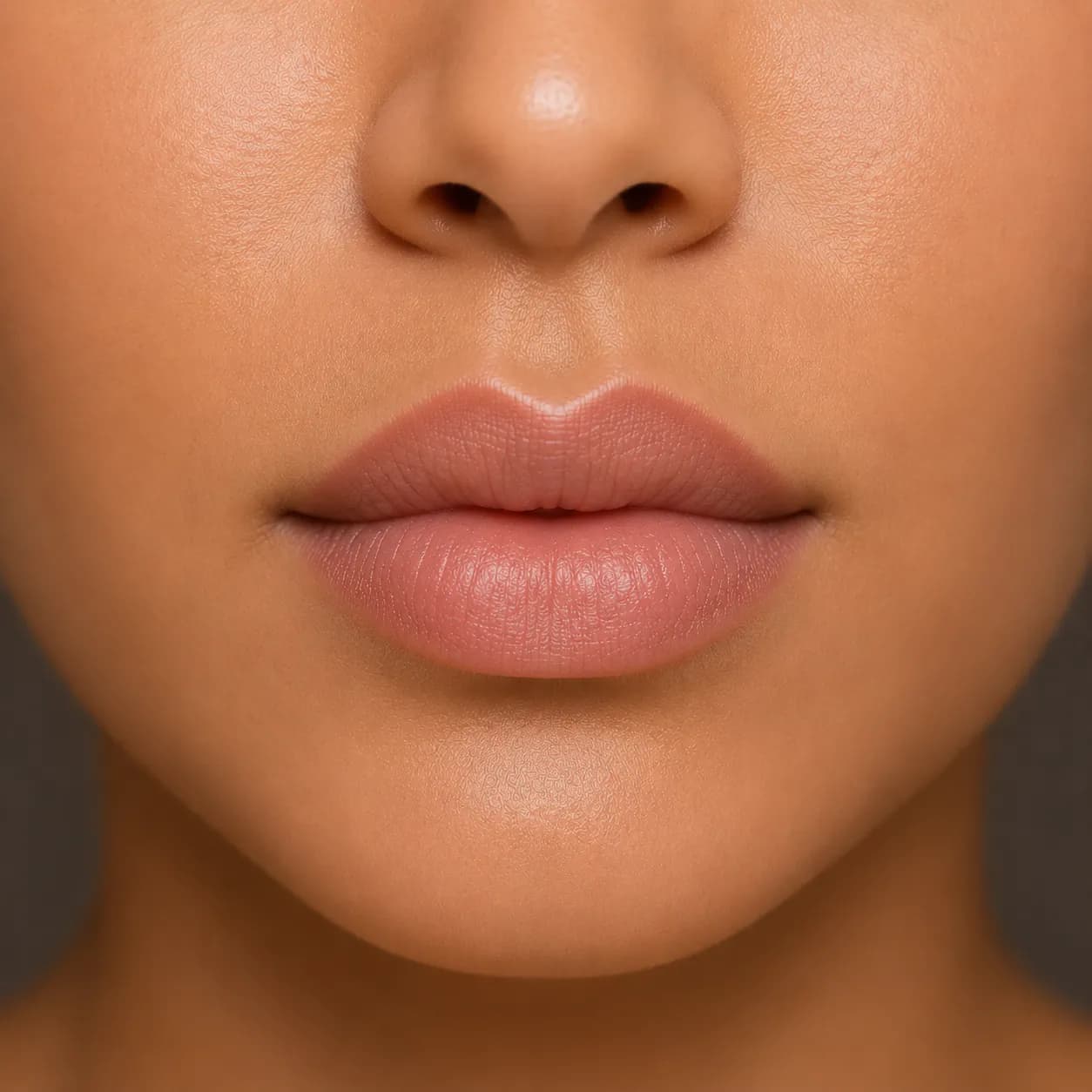
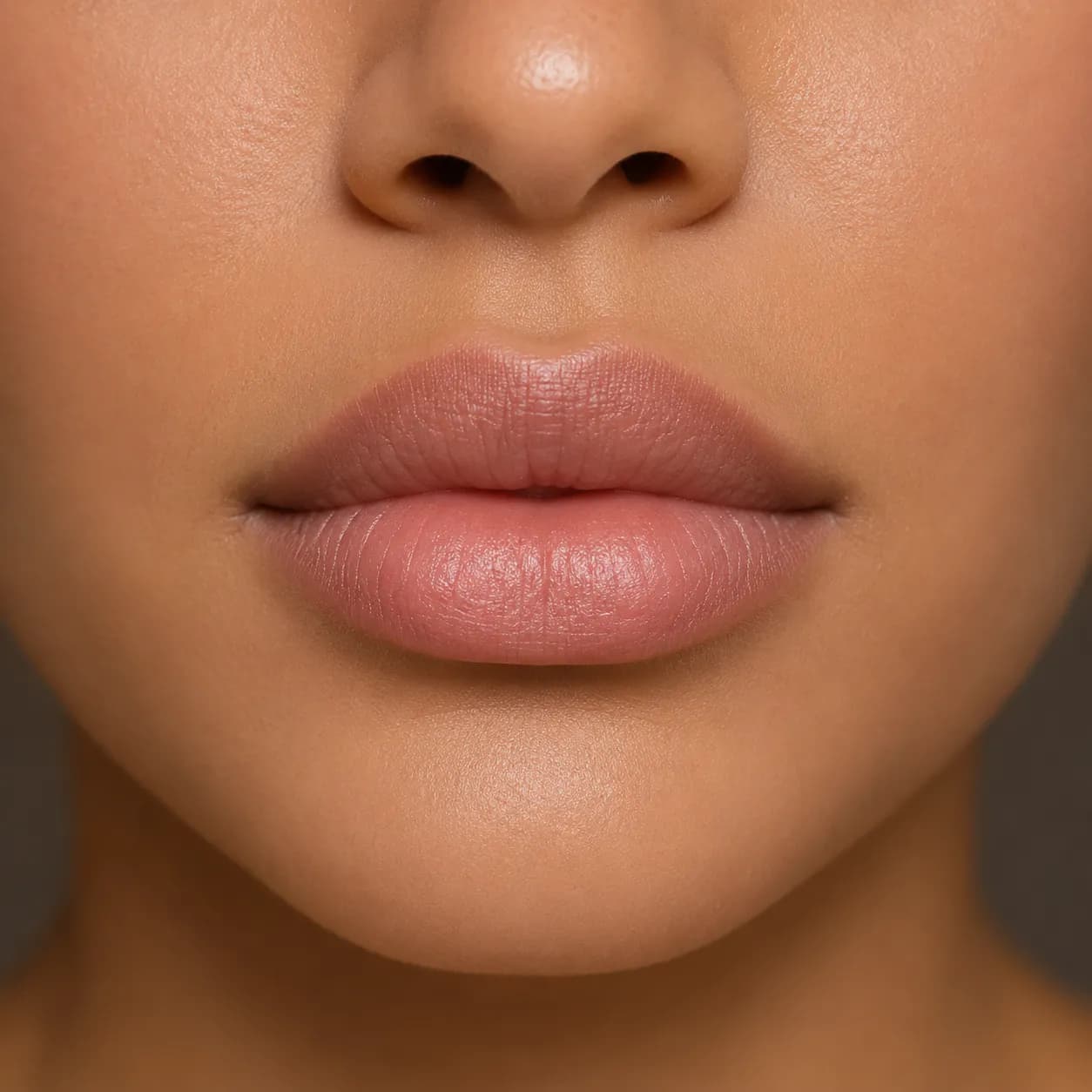
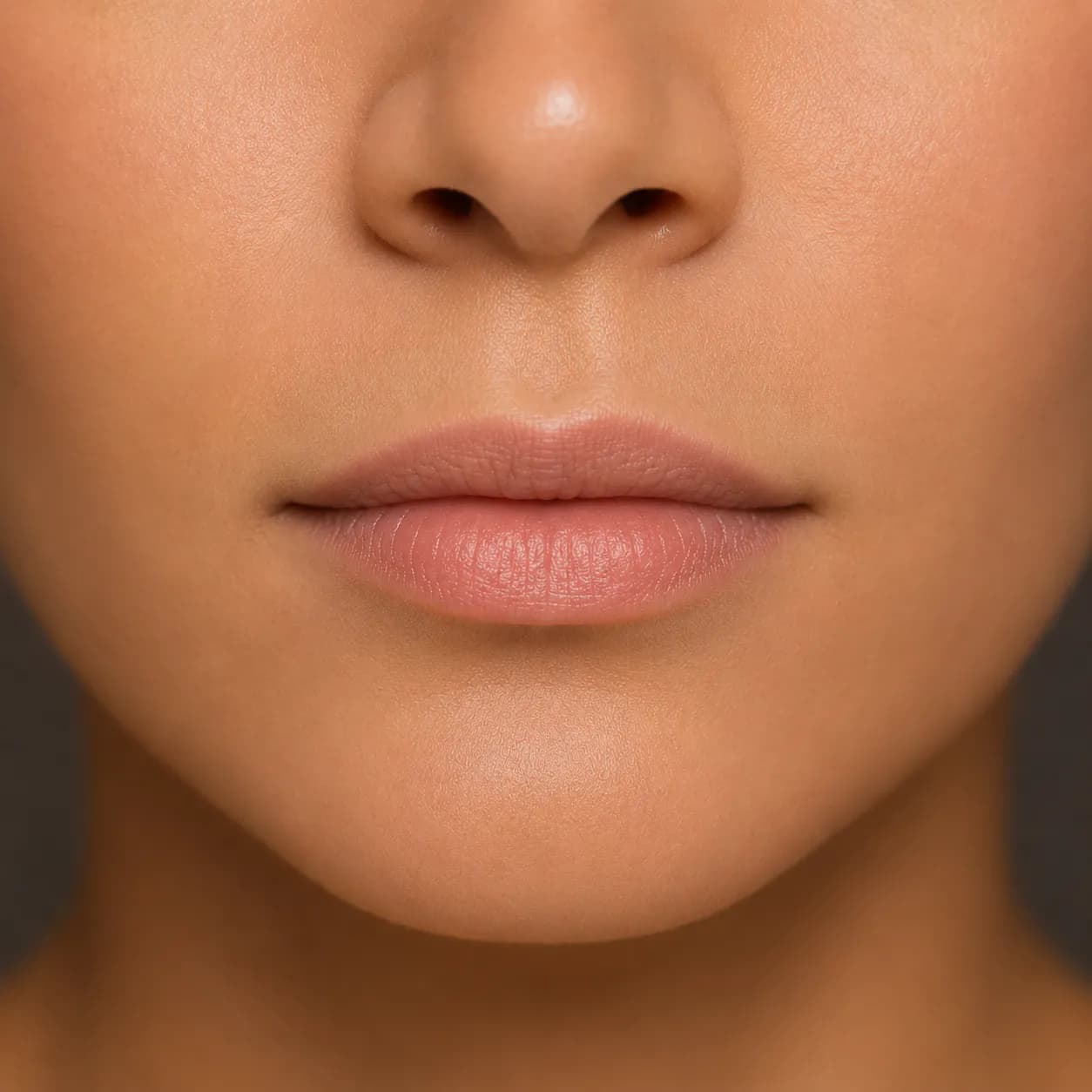
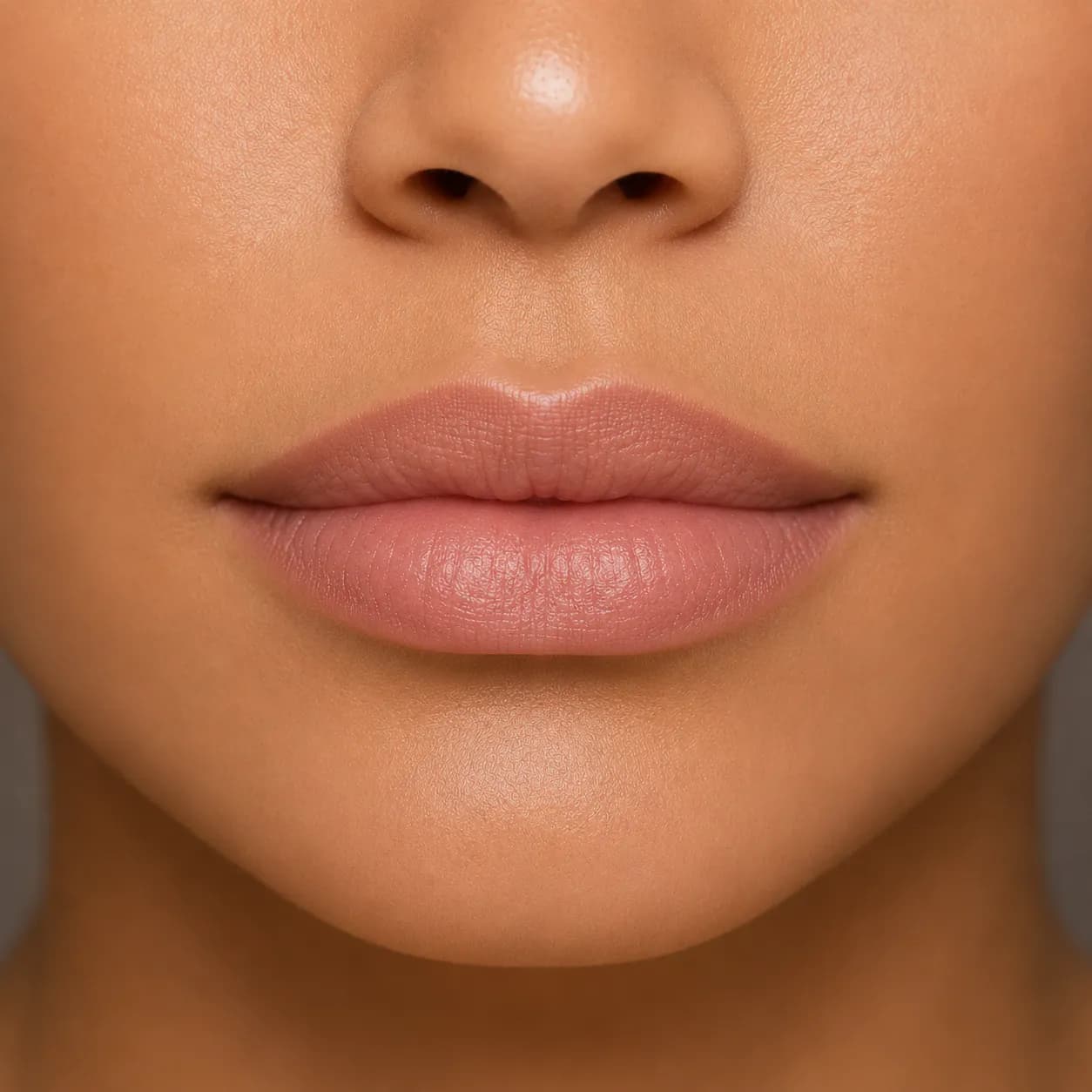
Seven distinct lip shapes and lip types classified by width, fullness, upper-to-lower proportion, and cupid's bow definition.
Full
Generous volume in both upper and lower lip with a balanced, plump proportion.
- ·Bold saturated shades
- ·Gloss or satin finish
- ·Ombre shading adds dimension
Thin
Refined, slim lips with clean lines — a classic, elegant canvas.
- ·Warm coral and rose shades
- ·Plumping gloss at the centre
- ·Slightly overdrawn liner
Wide
Notably generous corner-to-corner span — striking and expressive.
- ·Rich, saturated colours
- ·Bold matte finish
- ·Avoid horizontal shimmer at corners
Heart-shaped
A pronounced cupid's bow M-curve at the top — classically sculpted.
- ·Deep roses and burgundies
- ·Highlight the bow dip
- ·Precise liner at the arch peaks
Round
Gently curved, even shape with soft outer corners and a youthful look.
- ·Warm nudes and dusty mauves
- ·Glossy centre highlight
- ·Monochromatic beauty looks
Top-heavy
Upper lip notably fuller than the lower — sculptural and dramatic.
- ·Gloss on lower lip
- ·Slightly deeper upper shade
- ·Warm terracotta tones
Bottom-heavy
Lower lip notably fuller — a natural, effortless pout.
- ·Classic reds and deep berries
- ·Lighter upper lip shade
- ·Define upper lip with liner
How to Photograph Your Lips
A good photo makes a significant difference. Follow these tips for the most accurate lip shape result.
Face the camera directly
Look straight ahead — chin level, not tilted up or down. Even a small angle changes the measured proportions.
Relaxed or neutral expression
Keep lips gently closed or very slightly parted. A big smile pulls the corners wide and skews the width measurement.
Even, natural lighting
Soft daylight from in front is ideal. Side lighting or heavy shadows across the lower face can affect the detected lip contour.
Minimal lip makeup
For the most accurate measurement of your natural lip shape, photograph your lips with little or no lipstick and no heavy liner.
Single face in frame
The analyzer works best with one person clearly visible. Make sure no other faces are partially in the frame.
Hair away from the face
Hair falling over the lower face can occasionally obscure jaw and chin landmarks used for normalisation.
Unexpected result? Retake the photo in natural light, facing the camera directly with a relaxed expression and minimal lip makeup. Small changes in angle or expression can shift the classification.
Also try the Face Shape Detector
Discover your face shape — oval, round, square, heart, diamond, oblong, or triangle — with hairstyle and glasses tips
Frequently Asked Questions
Everything you need to know about lip shapes and how the analyzer works.
What is a lip shape analyzer?
A lip shape analyzer uses AI facial landmark detection to measure the proportions of your lips from a photo — including width, height, upper-to-lower ratio, and cupid's bow definition — and classifies them into a named lip shape type. The classification is paired with personalized lipstick and makeup tips.
How many lip shapes are there?
This tool classifies lips into seven types: Full, Thin, Wide, Heart-shaped, Round, Top-heavy, and Bottom-heavy. These cover the most distinct lip proportions. Many people's lips fall near the boundary of two types — the dominant proportion determines the classification.
What is the most common lip shape?
Round and Full are among the most common lip shapes globally, followed by Heart-shaped. Thin and Wide shapes represent a smaller proportion of people. All shapes are equally beautiful and work with every makeup style when you know the right techniques.
What is a heart-shaped lip?
Heart-shaped lips are defined by a pronounced cupid's bow — the M-shaped curve at the top of the upper lip. The two arch peaks are higher than the centre dip, creating a sculpted, romantic shape. This is one of the most prized lip shapes in classic beauty.
What is a cupid's bow?
A cupid's bow is the M-shaped curve at the top of the upper lip. It's named for the bow of Cupid, the Roman god of love. A well-defined bow has two prominent arch peaks that rise above the centre dip. The definition of the bow is one of the key measurements in this tool.
Is my photo stored or shared?
No. All processing happens entirely in your browser using Google's MediaPipe Face Landmarker. Your photo never leaves your device and is not uploaded to any server.
How accurate is the lip shape detection?
Accuracy depends on photo quality. A clear, well-lit, front-facing photo with a relaxed or neutral lip expression will give the most reliable result. Heavy lip liner or dark lipstick can sometimes alter the perceived outer contour. For best accuracy, photograph your natural lips in even light.
What landmarks are used to measure lips?
The tool uses the full outer lip contour landmarks from the MediaPipe 478-point face mesh, including the mouth corners, cupid's bow arch peaks, the outer upper lip centre, and the inner and outer lower lip points. Width, height, and bow definition are computed from these.
Can lip shape change over time?
Yes — lip shape and volume change with age. Lips typically lose volume and definition gradually over time, particularly after the mid-30s, due to collagen loss, reduced hyaluronic acid, and thinning of the vermilion border (the outer edge). Lip contouring with liner can compensate for these changes.
What lipstick finish suits thin lips?
Glossy and satin finishes are most flattering for thin lips — they reflect light and create the visual impression of more volume. Matte formulas tend to emphasise thinness. A plumping gloss with a subtle shimmer at the centre of the lower lip is especially effective.
What lipstick finish suits full lips?
Full lips suit virtually any finish. Gloss and satin amplify the natural volume, while matte provides a bold, editorial look. Bold saturated colours — berry, deep plum, classic red — are particularly striking on full lips.
What is the difference between full and round lips?
Full lips have generous volume in both the upper and lower lip, with a notable height relative to width. Round lips have gently curved edges and a soft, even shape, but may have less pronounced vertical volume. The primary distinction is fullness (height/width ratio) vs overall curvature and arch definition.
How do I photograph my lips for the best result?
Take a clear, front-facing photo in even, natural light. Use a relaxed or slightly-parted neutral expression — avoid a big smile or strong expression. Remove heavy lip liner and very dark lipstick if possible. The camera should be level with your face, not angled up or down.
What is top-heavy versus bottom-heavy lips?
Top-heavy lips have a notably fuller upper lip relative to the lower lip. Bottom-heavy lips have a notably fuller lower lip — this creates a natural pouty appearance. The upper/lower balance is measured by comparing the heights of the two lips at their centres.
Can I use this tool for men?
Yes — lip shape analysis applies equally to all genders. The classification types (Full, Thin, Wide, etc.) describe proportions, not style preferences. The styling tips are written for a broad audience and can be adapted for any makeup or grooming context.
Does lip contouring change my lip shape?
Lip contouring with liner and colour can visually alter the perceived shape significantly. Overlining the upper lip defines the cupid's bow and adds height; applying gloss or lighter shades in the centre adds visual fullness; deeper shades at the edges narrow a wide shape. This tool measures your natural anatomy, not the made-up appearance.
Can I use this to plan lip filler?
This tool can help you understand your natural lip proportions, but it is not a clinical measurement tool and should not be used as the basis for cosmetic procedure planning. Consult a qualified aesthetic practitioner for any clinical decisions about lip augmentation.
What are the different types of lips?
The main different types of lips — also called different kinds of lips — are Full, Thin, Wide, Heart-shaped, Round, Top-heavy, and Bottom-heavy. Full lips have generous volume in both the upper and lower lip. Thin lips have a refined, slim profile. Wide lips have a notably generous corner-to-corner span. Heart-shaped lips feature a pronounced cupid's bow M-curve. Round lips have gently curved, even edges. Top-heavy lips have a notably fuller upper lip; bottom-heavy lips have a notably fuller lower lip. These seven types cover the most distinct lip proportions found across different people, though many lips fall near the boundary of two types.
What is the rarest lip shape?
The rarest lip shape is generally considered to be a naturally perfect heart-shaped lip — one with a very pronounced, symmetrical cupid's bow M-curve, equal left-right arch peaks, and a well-defined centre dip. Full lips with a strong cupid's bow and balanced upper-to-lower proportion are also relatively uncommon. Thin lips with an extremely refined, symmetrical outline and wide lips with a notably generous span are less common than round or moderately full lip shapes. Rarity varies by ethnicity and genetics; no single lip shape is universally rare across all populations.
What does your lip shape say about you?
While there is no scientific evidence that lip shape determines personality, the cultural and aesthetic associations are well established. Heart-shaped lips are classically associated with romanticism and expressiveness. Full lips are linked to warmth and approachability. Thin lips are associated with precision and elegance. Wide lips suggest expressiveness and openness. Top-heavy lips are often seen as dramatic and sculptural. Bottom-heavy lips carry a natural, effortless look. These are aesthetic frameworks, not personality predictors — what your lip shape genuinely says about you is your unique genetic anatomy.
What is top lip bigger than bottom lip?
When the top lip is noticeably bigger or fuller than the bottom lip, this is classified as a Top-heavy lip shape. The upper lip has greater vertical height at its centre than the lower lip. This creates a sculptural, dramatic appearance. It differs from a heart-shaped lip in that the defining feature is volume and height, not the definition of the cupid's bow. Many people seek lip augmentation shapes that balance the upper and lower lip to achieve a more proportional pout — a common goal in lip filler procedures.
What are lip filler shapes and lip augmentation shapes?
Lip filler shapes and lip augmentation shapes refer to the target proportions that can be achieved through lip filler injections or other cosmetic procedures. Common goals include adding overall fullness (achieving a fuller lip shape), enhancing the cupid's bow definition (creating a heart-shaped appearance), balancing a top-heavy or bottom-heavy asymmetry, or adding width. Understanding your natural lip shape first — using a tool like this analyzer — helps you and your practitioner identify which augmentation shape would complement your face proportions. This tool is not a clinical planning tool; always consult a qualified aesthetic practitioner for lip augmentation advice.
What is considered full lips?
Full lips are lips with generous vertical volume in both the upper and lower lip — a high upper-to-width ratio and a well-padded lower lip. Clinically, full lips are often defined as having a 1:1.6 upper-to-lower ratio (some standards use 1:2). Aesthetically, full lips appear plump, rounded, and three-dimensional. They are one of the most sought-after lip shapes in cosmetic augmentation. This tool measures fullness as a ratio of total lip height to lip width — lips scoring high on this metric are classified as Full.
How do you get heart shaped lips?
Naturally heart shaped lips are determined by genetics — specifically the depth and symmetry of the cupid's bow M-curve at the top of the upper lip. You cannot permanently alter your natural lip anatomy without cosmetic procedures, but makeup can visually create the appearance: use a nude liner to lightly fill in either side of the centre bow dip, then re-draw the arch peaks fractionally higher before filling with your chosen shade. Lip filler for heart shaped lips uses precise hyaluronic acid placement at the bow peaks to enhance definition, or adds lower lip volume to balance a prominent upper bow. Facial exercises are widely promoted online for this purpose, but there is no clinical evidence that any exercise can meaningfully alter cupid's bow shape or prominence.
What are downturned lips and how can they be treated?
Downturned lips occur when the outer corners of the mouth — the oral commissures — point slightly downward in a neutral expression, giving the appearance of a subtle frown even at rest. This is a common anatomical variant caused by the relative pull of the depressor anguli oris muscles at the mouth corners, and it can become more pronounced with age as skin elasticity decreases. Cosmetically, downturned lips filler placed at the oral commissure can subtly lift the corners; botox for downturned mouth (injected into the depressor anguli oris) relaxes the downward pull; and a corner mouth lift (commissuroplasty) is the most permanent surgical option. Non-invasively, drawing a lip liner very slightly above the natural outer corner line can visually soften the droop. Always consult a qualified aesthetic practitioner before any procedure.
What is a bow shaped lip?
Bow shaped lips — also written bow-shaped lips — are defined by a prominent, well-defined cupid's bow on the upper lip. The term overlaps with heart shaped lips, though bow lips shape typically refers to lips where the defined arch is the primary feature rather than extreme peak height. A cupid's bow lip shape (or cupid bow lip shape) refers specifically to the double-peak M-curve at the top of the upper lip, named after the bow of the Roman god of love. Bow shaped lips are considered a classic beauty feature across many aesthetic traditions. Precise liner tracing at the arch peaks and a lighter gloss or shade at the centre bow dip enhance the natural definition beautifully.
What are wide lips?
Wide lips have a notably generous corner-to-corner horizontal span relative to the overall width of the face. The defining feature is horizontal breadth rather than vertical volume — a wide lips shape can be slim or full in height. Wide lips create a striking, expressive appearance. Those who want wider lips can use a lip liner extended subtly at the outer corners to increase the perceived span; those who prefer to minimise width can apply slightly deeper shades at the outer edges while keeping the centre lighter. Warm rose and berry shades in medium depth are especially flattering on wide lips.
How do you get bigger lips naturally?
Getting bigger lips naturally without procedures relies on makeup technique and skincare: (1) Apply a plumping gloss at the centre of the lower lip to create the visual impression of depth and volume; (2) Overline very subtly — trace a lip pencil 1–2mm above the natural vermilion border; (3) Avoid very dark matte shades, which absorb light and make lips appear smaller; (4) Place a small highlight just above the cupid's bow to draw the eye upward; (5) Exfoliate and hydrate regularly — smooth lips appear fuller than dry, flaky ones. Lip enhancement naturally also benefits from maintaining overall skin hydration. For thin lips augmentation, hyaluronic acid filler remains the most effective non-surgical clinical option, producing temporary results (typically 6–18 months) that are reversible.
What are round lips?
Round lips — also called rounded lips — have gently curved outer edges, soft corners, and relatively even fullness from corner to corner. The upper lip has a mild, soft cupid's bow without the sharp arch peaks of heart shaped lips, giving the full lip outline a smooth, uniform arc. The natural rounding of both lips creates a youthful, approachable, and harmonious appearance. Round lips are one of the most common lip shapes globally. They suit warm nude shades, dusty mauves, and a centre-focused gloss highlight for a balanced, polished look.
What is a fuller lower lip or fuller upper lip?
A fuller lower lip — where the lower lip is noticeably more voluminous than the upper — is classified as a bottom-heavy lip shape and creates a natural, effortless pout. A fuller upper lip — where the upper lip is more voluminous — is classified as top-heavy, giving a sculptural, dramatic appearance. A thin upper lip full bottom lip combination is one of the most common presentations of the bottom-heavy type. In cosmetic practice, balancing a fuller lower lip with added upper lip volume, or complementing a full upper lip with lower lip filler, are among the most common lip augmentation goals. Both profiles are distinctive and beautiful in their own right.
Lip Shape Chart: All Lip Shapes & Types of Lips
If you've been asking what lip shape do I have or what type of lips do I have, this chart covers every lip shape and lip type this analyzer identifies, plus the real measurements behind each classification — no guessing required, just seven distinct different types of lips defined by width, fullness, upper-to-lower balance, and cupid's bow definition.
Full
Generous volume in both upper and lower lip with a balanced, plump proportion.
Thin
Refined, slim lips with clean lines — a classic, elegant canvas.
Wide
Notably generous corner-to-corner span — striking and expressive.
Heart-shaped
A pronounced cupid's bow M-curve at the top — classically sculpted.
Round
Gently curved, even shape with soft outer corners and a youthful look.
Top-heavy
Upper lip notably fuller than the lower — sculptural and dramatic.
Bottom-heavy
Lower lip notably fuller — a natural, effortless pout.
| Shape | Key Trait | How the Analyzer Detects It |
|---|---|---|
| Full | Generous volume, both lips | Fullness ratio (total lip height ÷ width) above 0.20 |
| Thin | Refined, slim profile | Fullness ratio below 0.10 |
| Wide | Generous corner-to-corner span | Lip width (relative to eye spacing) above 1.30, with moderate fullness |
| Heart-shaped | Pronounced cupid's bow M-curve | Cupid's bow definition score — arch peaks sitting notably above the centre dip |
| Round | Soft, even curve, no sharp arch | Default classification when no other threshold is met |
| Top-heavy | Upper lip fuller than lower | Upper-to-lower height ratio above 1.40 |
| Bottom-heavy | Heavy lower lip, fuller than upper | Upper-to-lower height ratio below 0.60 |
Lip shapes are determined primarily by genetics — the thickness of the orbicularis oris muscle, subcutaneous fat volume, and the height of the vermilion border (where lip skin meets facial skin) all contribute. The cupid's bow — the M-shaped curve at the top of the upper lip — is one of the most genetically variable features of the lower face, and is what separates a Heart-shaped result from a Round one in the table above. This analyzer uses Google MediaPipe Face Landmarker to place 478 landmarks with sub-pixel accuracy, then computes the ratios in the table above from the outer and inner lip contour, mouth corners, and cupid's bow arch peaks — all normalised against inter-ocular distance so results are consistent across camera distances, regardless of how close or far the camera was. Your photo never leaves your device — all computation runs locally in your browser.
Full Lips
Full lips — sometimes called thick lips — have generous vertical volume in both the upper and lower lip, with a high fullness ratio relative to width. Fullness comes primarily from the thickness of the orbicularis oris muscle and lip-pad fat, both strongly genetic. Full lips suit almost any lipstick finish — satin and gloss amplify volume, while bold matte creates an editorial look. See the full lips guide for the complete styling breakdown.
Heart Shaped Lips
Heart shaped lips have a deeply pronounced cupid's bow — two high arch peaks and a notable centre dip forming the classic M-curve. A naturally symmetrical, well-defined bow is among the rarest and most searched lip types. Precise liner at the arch peaks and a lighter shade at the centre dip enhance the definition. Full details in the heart-shaped lips guide.
Thin Lips
Thin lips — sometimes called small lips — have a refined, slim profile with lower vertical height. It's a classic, elegant shape built well by precise liner definition. Glossy and satin finishes read as fuller than matte; a subtly overdrawn liner at the bow and warm coral or rose shades help too. More in the thin lips guide.
Wide Lips
Wide lips have a notably generous corner-to-corner span relative to face width — a distinct trait from fullness, since it can coexist with any lip height. Medium-depth warm rose and berry shades work especially well; avoid strong shimmer near the corners, which can exaggerate the span further. See the wide lips guide.
Round Lips
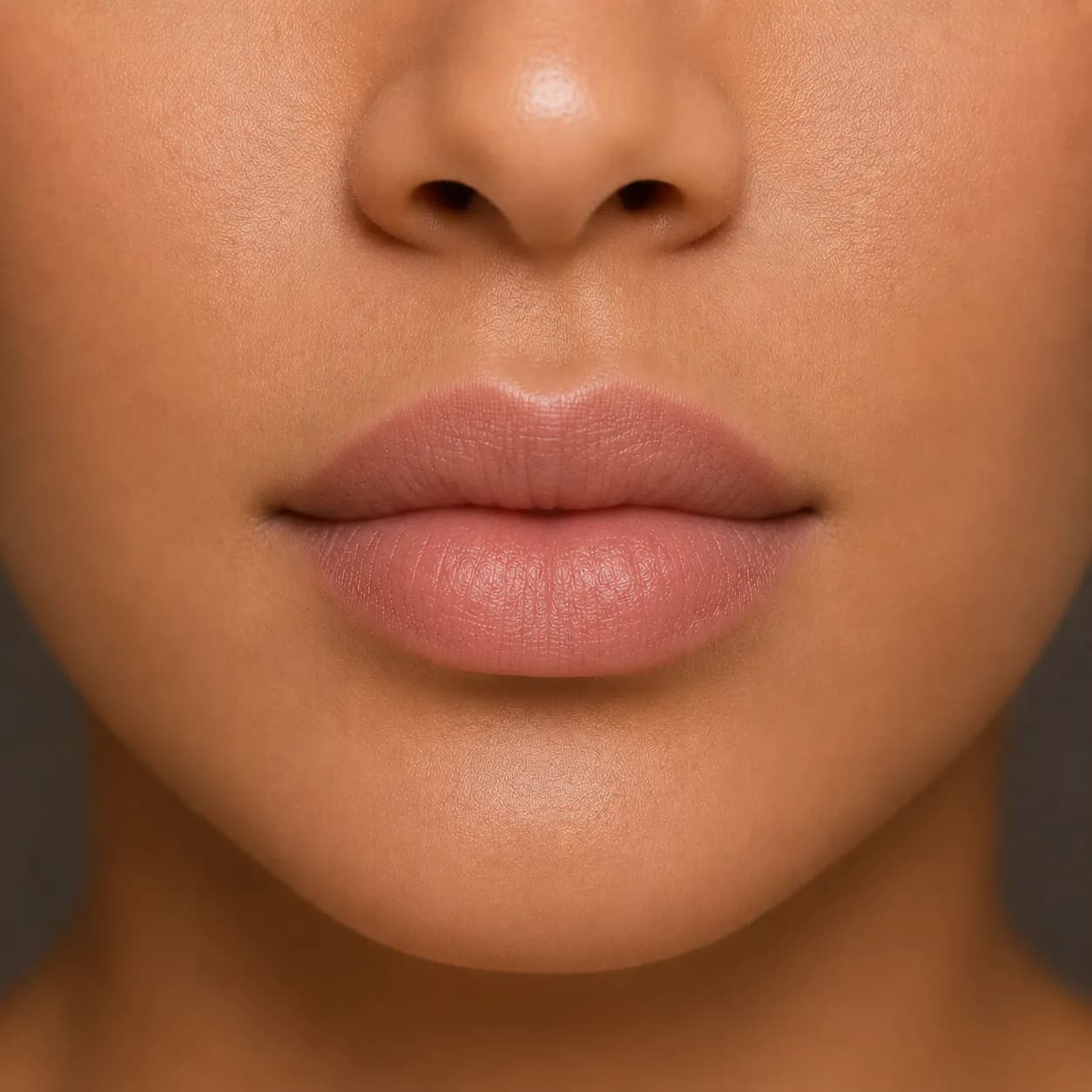
Round lips have gently curved outer edges, soft corners, and even fullness corner to corner — a mild bow without sharp arch peaks. One of the most common lip shapes globally, giving a youthful, harmonious look. Warm nudes, dusty mauves, and a centre gloss highlight complement it well. See the round lips guide.
Top-Heavy Lips
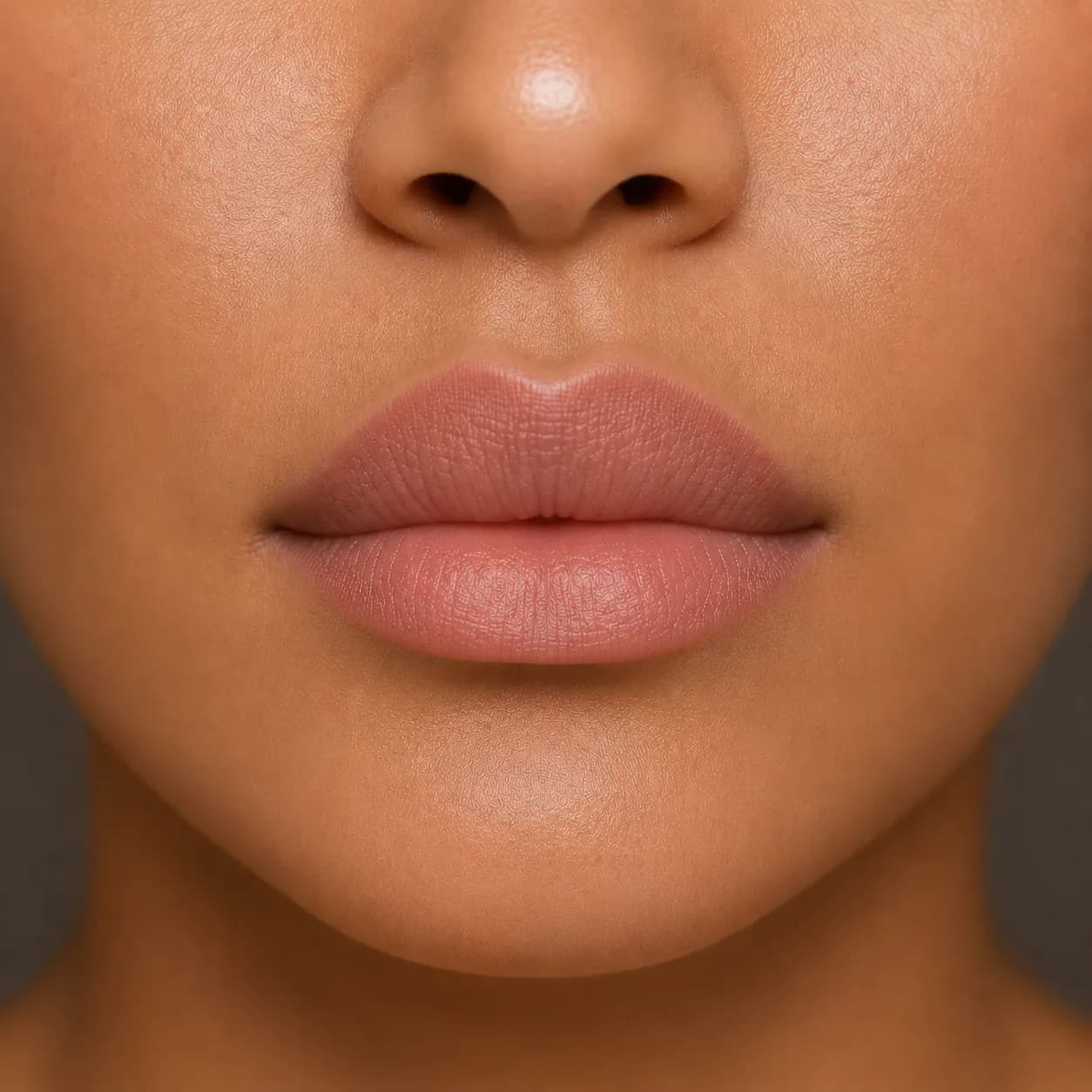
Top-heavy lips have a noticeably fuller upper lip than lower — a sculptural, dramatic profile, sometimes described as a fuller upper lip. Balancing it with a touch of gloss on the lower lip, or a slightly deeper upper shade, keeps the look intentional rather than uneven. Full guide at top-heavy lips.
Heavy Lower Lip
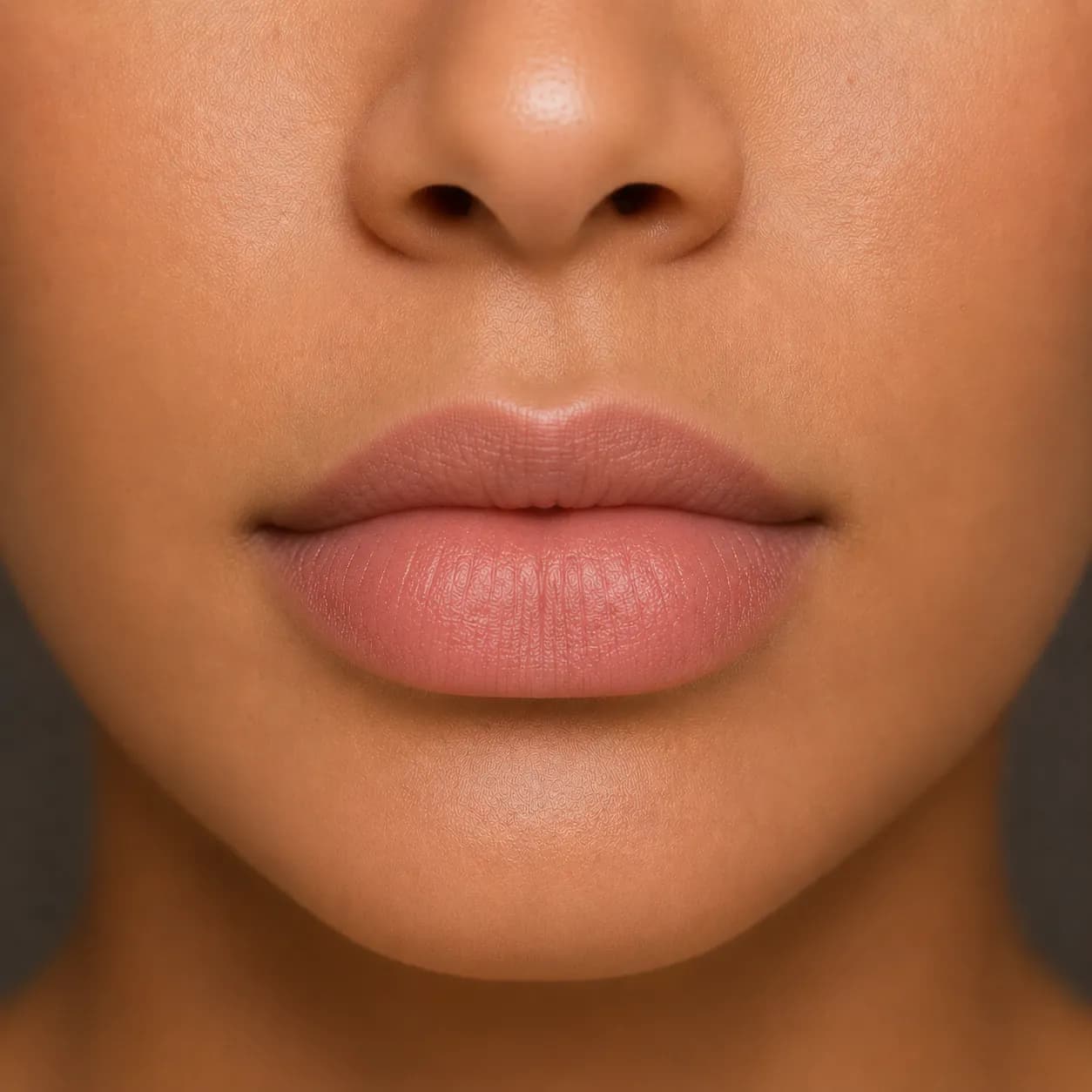
A heavy lower lip — classified as bottom-heavy — carries noticeably more volume than the upper lip, creating a natural, effortless pout. A thin-upper, full-lower combination is one of the most common presentations of this type. Lighter upper-lip shades and a defined liner help balance the proportions. See the bottom-heavy lips guide.
Cupid's Bow and Downturned Lips
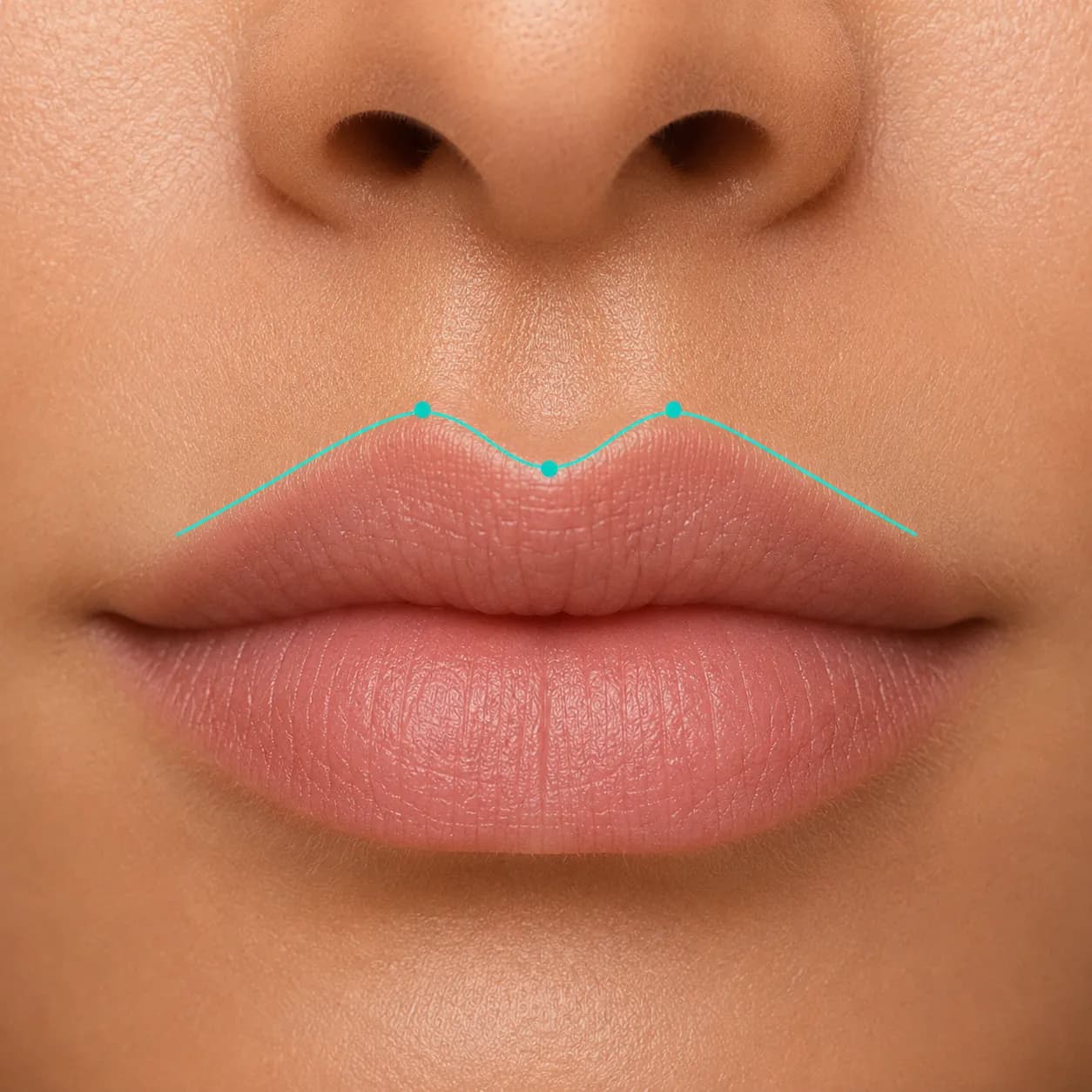
The cupid's bow (the M-curve at the top of the upper lip, named after the bow of the Roman god of love) and downturned lips (mouth corners that point slightly down at rest, caused by the relative pull of the depressor anguli oris muscles) are lip features, not separate shapes this analyzer classifies — bow definition feeds into the Heart-shaped result above, and corner orientation is independent of shape and can pair with any of the seven types. Both can become more pronounced with age as skin elasticity decreases. For downturned corners, options range from a liner drawn slightly above the natural corner line to procedures like fillers or botox at the oral commissure, or a surgical corner mouth lift for a more permanent result; consult a qualified aesthetic practitioner for any of these.
Related Tools
Face Shape Detector
Discover your oval, round, square, or heart face shape
Eye Shape Detector
Find your eye shape — almond, round, hooded, and more
Face Symmetry Test
Measure how balanced your facial features are
Golden Ratio Face Calculator
Calculate your golden ratio face and face beauty ratio
Nose Shape Detector
Find your nose shape from 12 types
Eyebrow Shape Detector
Find your eyebrow shape & grooming tips
Face Analyzer
Run every face analysis in one place
Lipstick Shade Finder
Find the lip color family that flatters your undertone
Lip Liner Guide
How to line and overline based on your lip shape