Eye Shape Detector — What Is My Eye Shape?
Not sure what eye shape you have? Our free AI eye shape detector identifies your eye shape — almond, round, upturned, downturned, or monolid — from a photo in seconds. No measuring, no sign-up.
AI eye shape detector: almond, round, upturned, downturned, monolid — plus wide-set or close-set.
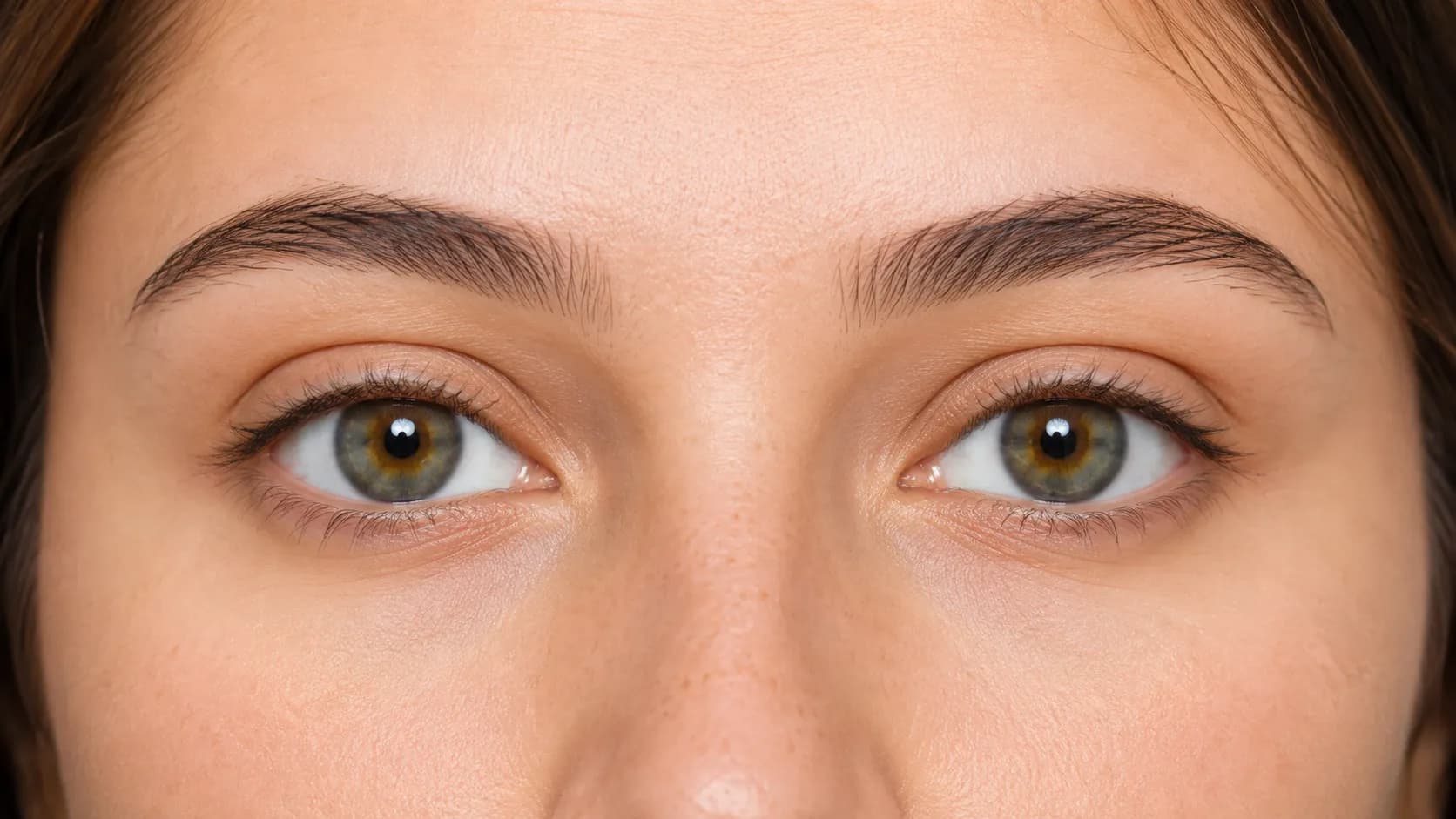
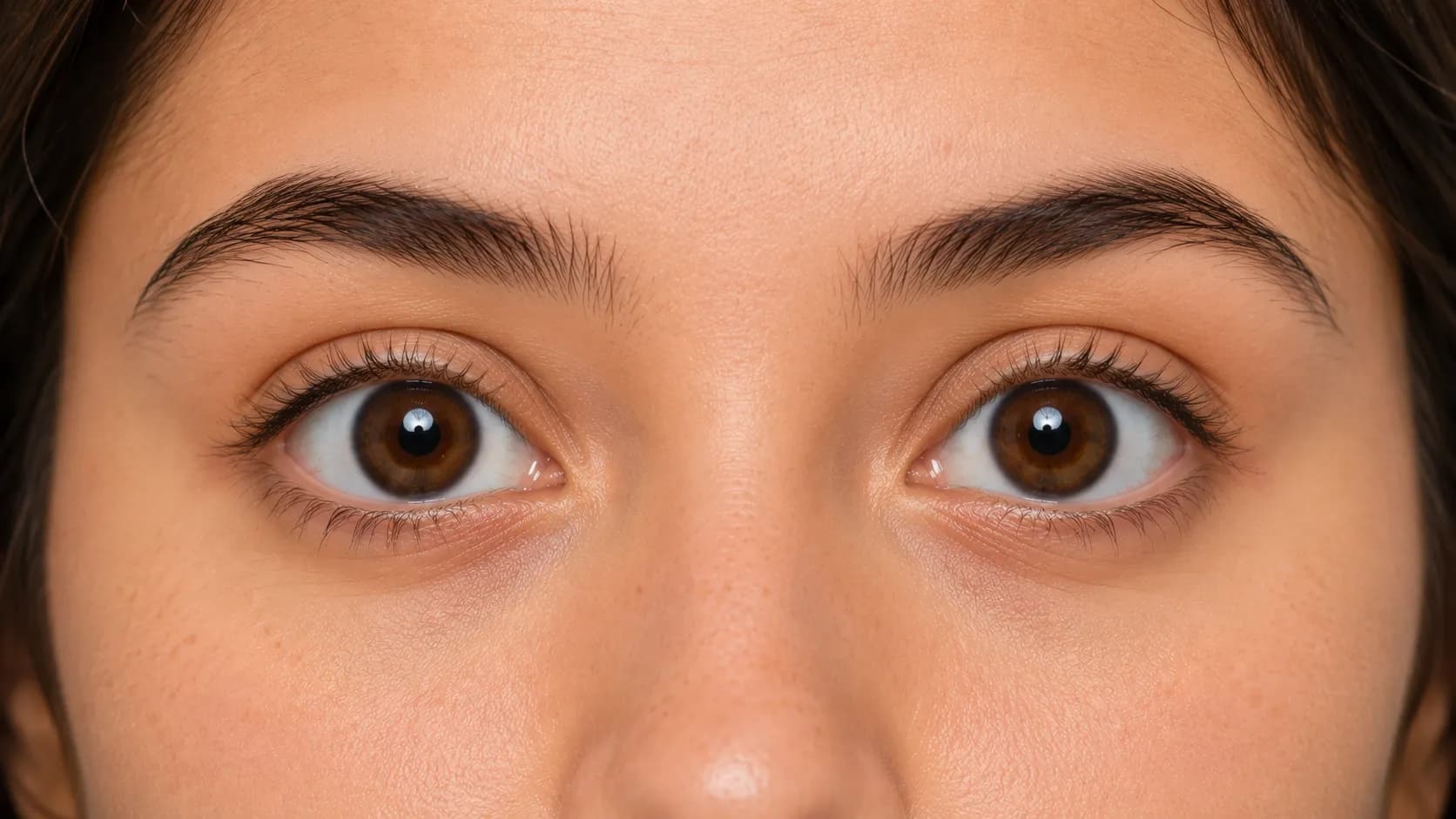
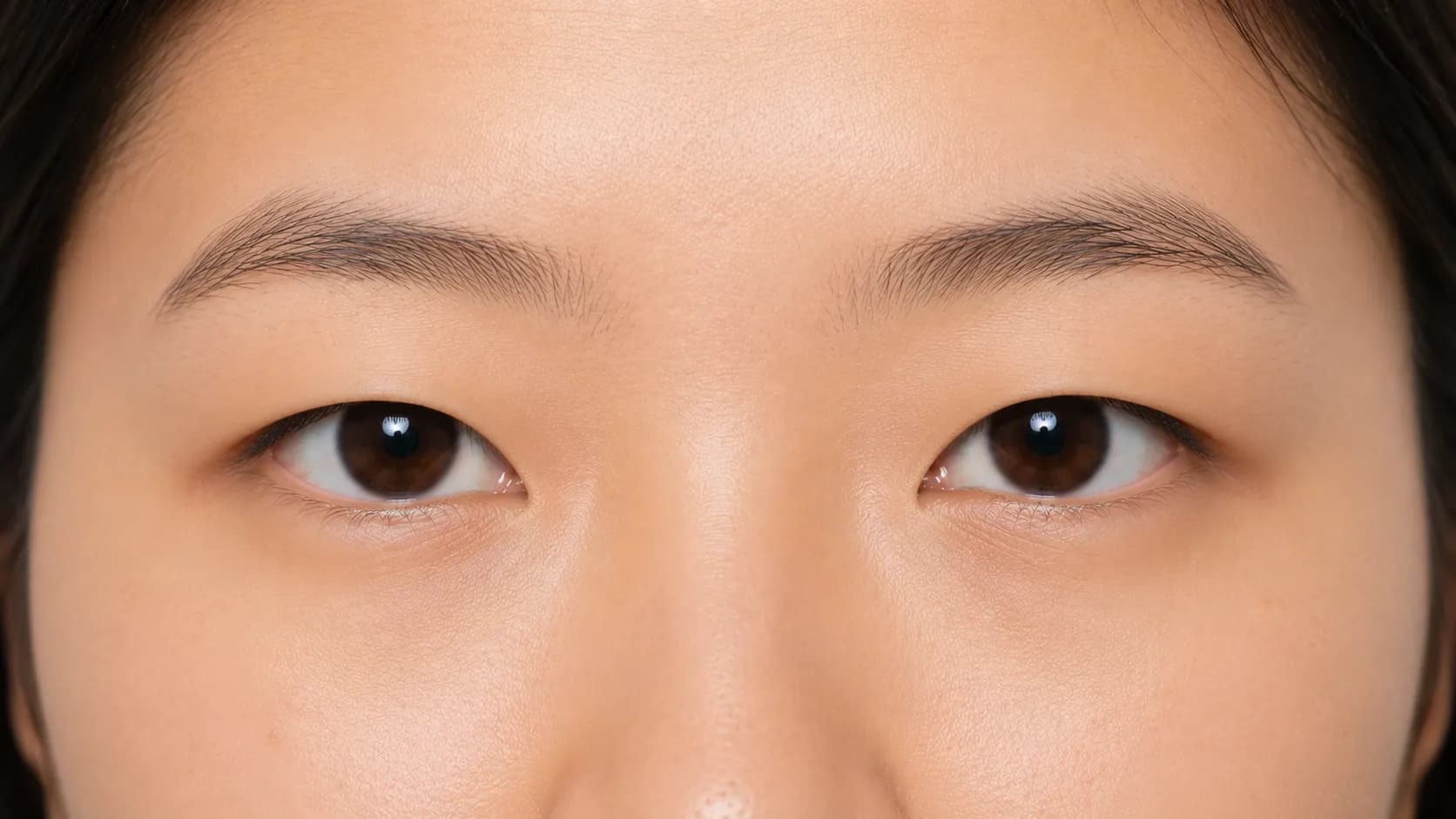
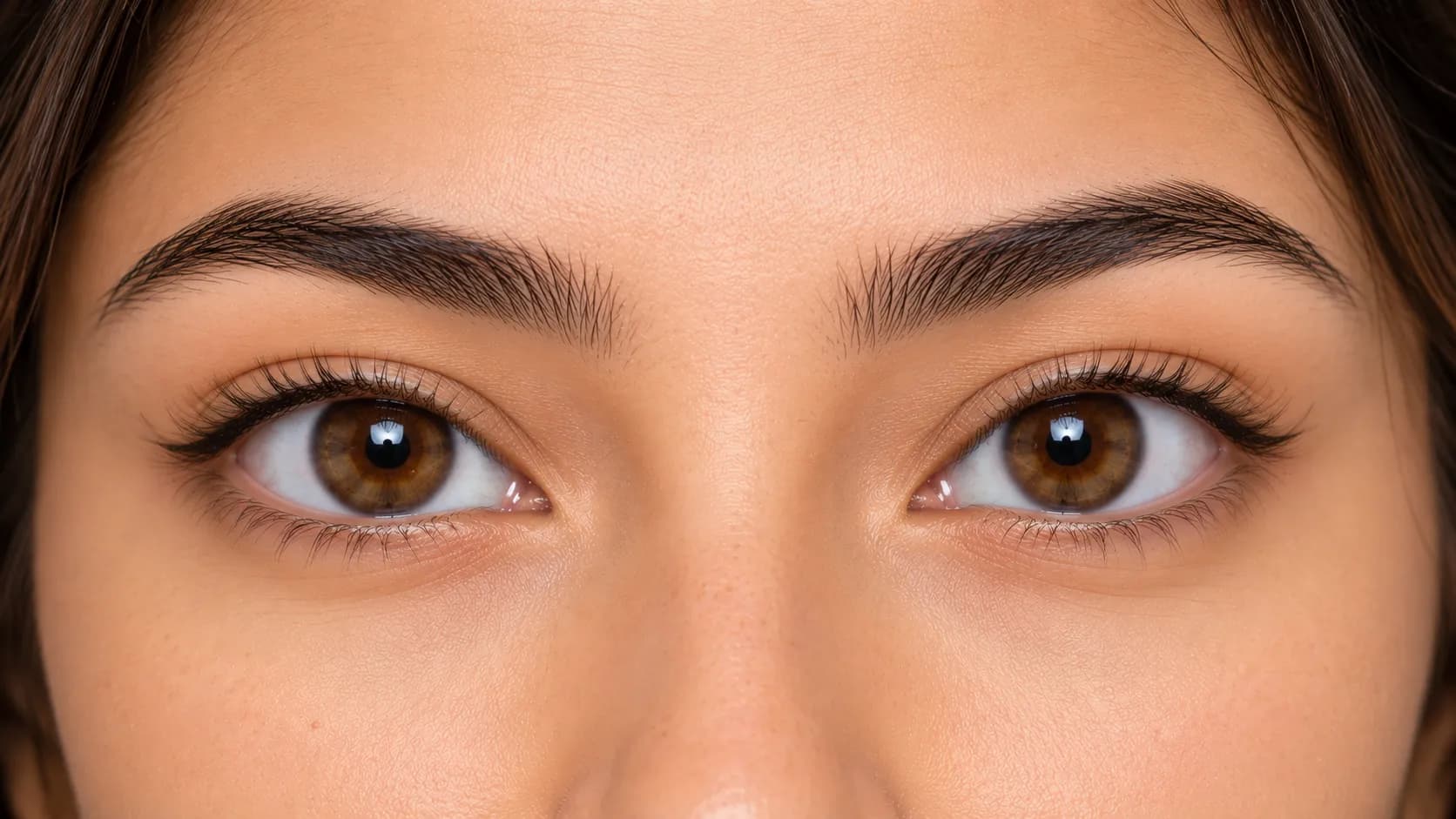
How Eye Shape Detection Works
From photo to personalized eyeliner and glasses recommendations in seconds — here's what happens.
Upload or Take a Photo
Upload a front-facing photo from your device or use your camera directly in the browser. For best results, use even lighting with your eyes fully open. Heavy eye makeup may affect landmark precision.
AI Maps Your Eye Landmarks
Our AI — powered by Google's MediaPipe — maps 478 facial landmarks and focuses on your eye-region points: the inner and outer corners, upper and lower lid centers, and the contour around each eye. It then computes your eye aspect ratio, outer-corner tilt, and inter-eye spacing.
Get Your Shape & Recommendations
See your primary eye shape — almond, round, upturned, downturned, or monolid — plus your eye set (wide, close, or average). Then explore personalized eyeliner techniques, eyeshadow tips, and glasses frame picks matched to your eye shape.
Ready to find your eye shape?
Results in seconds — your photo never leaves your device.
The 5 Eye Shapes Our Detector Identifies
Each eye shape has distinct proportions that determine which makeup techniques and glasses frames suit you best.
Almond
Wider than tall with a slightly pointed outer corner. The most versatile shape — suits virtually any makeup style.
Full Almond eyes guideRound
Eye height nearly equals eye width. Wide-open, youthful appearance. Techniques that add length work best.
Full Round eyes guideUpturned
Outer corner sits higher than inner corner. Natural cat-eye effect without liner. Horizontal liner balances.
Full Upturned eyes guide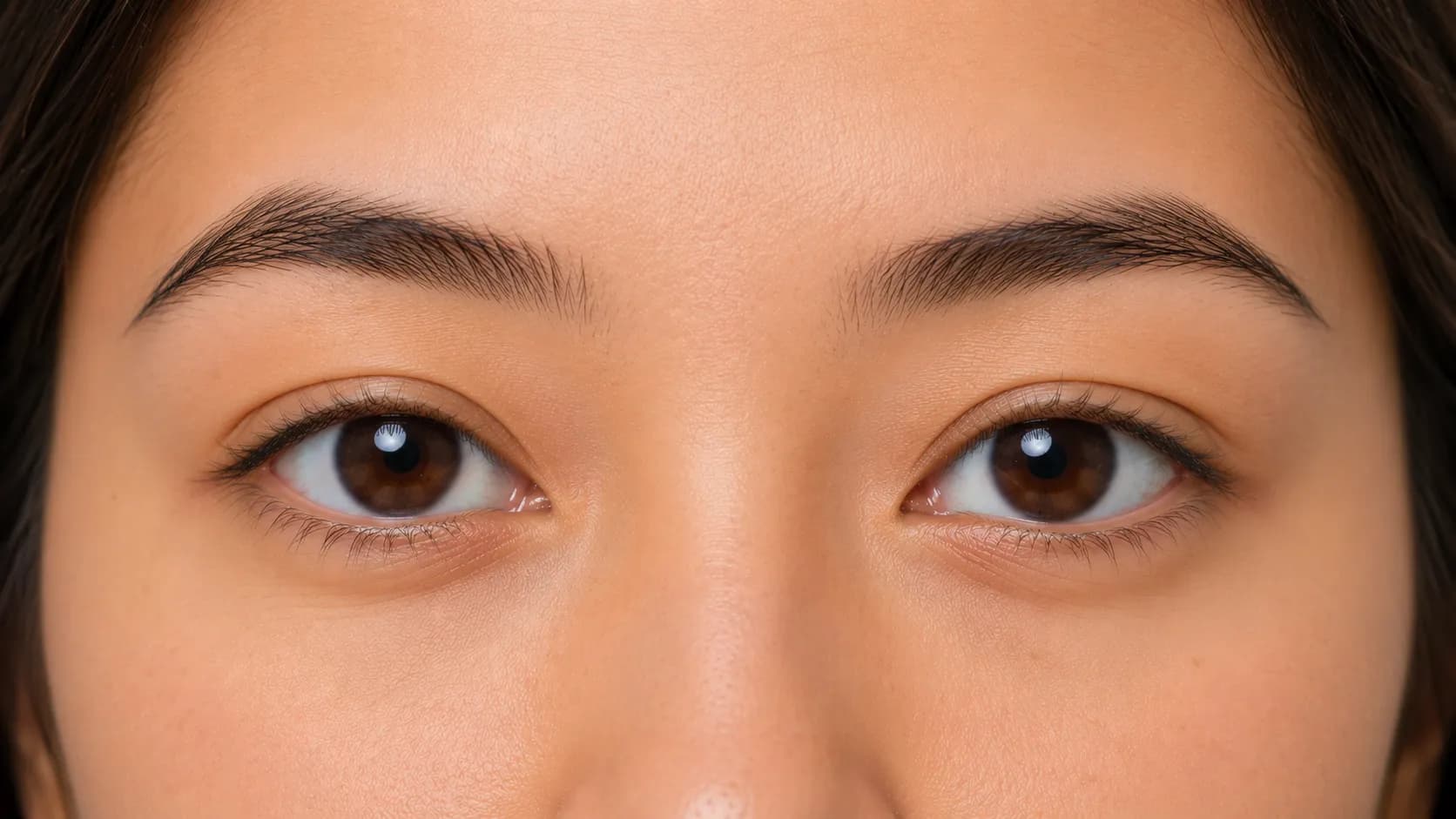
Downturned
Outer corner dips below inner corner. Soft, romantic look. Upswept liner and cat-eye frames lift the eye.
Full Downturned eyes guideMonolid
Minimal visible crease on the lid. Smooth single-plane appearance. Bold graphic liner creates definition.
Full Monolid eyes guideEye Shape Measurements at a Glance
The key geometric measurements our AI uses to classify each eye shape — useful if you want to self-assess manually.
| Eye Shape | Width : Height | Corner Tilt | Lid Crease | Key Characteristic |
|---|---|---|---|---|
| Almond | 1.5 – 2.0 : 1 | Neutral (±5°) | Visible crease | Pointed outer corner |
| Round | 1.0 – 1.3 : 1 | Neutral (±5°) | Visible crease | Fully visible iris |
| Upturned | 1.3 – 2.0 : 1 | Lifted (+8° or more) | Visible crease | Outer corner above inner |
| Downturned | 1.3 – 2.0 : 1 | Dropped (–8° or more) | Visible crease | Outer corner below inner |
| Monolid | 1.2 – 1.8 : 1 | Neutral or slight lift | No visible crease | Smooth single-plane lid |
Makeup & Glasses Guide by Eye Shape
Open your shape below for eyeliner, eyeshadow, mascara, and glasses tips tailored specifically to you.
Almond Eyes
- Classic winged liner — any flick angle works
- Tightline the upper waterline for depth
- Double-wing for a bold graphic look
- Lower lash line smudge for smoky drama
- Gradient from lid to crease in any palette
- Cut-crease for maximum lid definition
- Halo eye or shimmery center lid
- Soft matte blend with a tapped-in shimmer
- Coat all lashes top and bottom evenly
- Volume formula for fullness
- Curling mascara adds a lifted look
- Bottom lash mascara for extra definition
- Almost any frame works — lucky you
- Try cat-eye frames to complement the point
- Aviators and wayfarers suit perfectly
- Rimless frames for a minimal, open look
Round Eyes
- Horizontal wing at the outer corner to add length
- Avoid rounding the inner corner — it adds width
- Keep lower liner to the outer third only
- Tight-line upper waterline to elongate
- Apply darker shade to outer V and blend upward
- Elongated crease blending adds horizontal stretch
- Skip shimmer on the center lid — it adds roundness
- Matte transition shades in the crease work best
- Focus mascara on outer lashes to lengthen
- Lengthening mascara over volumizing
- Avoid heavy lower lash mascara centrally
- Fan lashes outward using a comb-tip wand
- Rectangular or angular frames add structure
- Avoid round frames — they mirror eye shape
- Square or wayfarer silhouettes work well
- Thick top-rim frames draw the eye upward
Upturned Eyes
- Draw liner horizontally at the outer corner
- Avoid extending the flick further upward
- Lower liner on outer half balances the lift
- Smudged pencil liner softens the cat-eye effect
- Blend darker shadow lower at the outer corner
- Bring crease color down slightly to balance
- Light shimmer on center lid brightens
- Avoid dark shadow concentrated at the outer top
- Focus on lower lashes to balance the lift
- Curl upper lashes straight up, not outward
- Volume mascara on lower outer lashes
- Separate lashes with a clean spoolie between coats
- Round or oval frames soften the angular lift
- Bottom-heavy frames (reverse cat-eye) balance
- Avoid cat-eye frames — they amplify the tilt
- Classic oval or teardrop shapes work beautifully
Downturned Eyes
- Flick liner upward past the outer corner
- Tightline the upper waterline to widen
- Avoid lining the lower outer corner — it drops further
- A slight upswept wing is the key technique
- Bring crease shadow up and outward diagonally
- Apply outer shadow higher than the natural corner
- Light shimmer on the center lid creates lift
- Avoid dragging dark shadow downward at the outer edge
- Curl lashes upward before applying mascara
- Focus on upper outer lashes with a lifting wand
- Avoid heavy lower outer lash mascara
- Use a waterproof formula to hold the curl all day
- Cat-eye frames with an angled top rim lift the eye
- Angular frames with an upswept outer edge
- Avoid round or straight-top frames
- Bold-colored top rim frames draw the eye up
Monolid Eyes
- Bold graphic liner on the entire upper lid
- Double liner (black + color) for dimension
- Thick pencil liner on the waterline for definition
- Cut-crease liner above the natural lid for depth
- Apply color across the full lid — no crease to stay in
- Use two-tone blending from lash line upward
- Shimmer shades applied to the entire lid stand out
- Bold colored shadow is highly visible and flattering
- Curl lashes before mascara — essential for lift
- Apply multiple coats for maximum volume
- Lengthening mascara opens the eye
- Lower lash mascara adds depth below
- Round or oval frames create an opening effect
- Thin semi-rimless frames keep the lid visible
- Avoid heavy top-bar frames that close the eye
- Light-colored or clear frames are particularly flattering
Eye Shape Quiz: How to Know Your Eye Shape Without a Photo
No camera? Answer five quick questions in front of a mirror with good natural light to identify your eye shape manually.
This mirror-based eye shape test works through the same signals the AI measures — just answer each question below as you check yourself in the mirror, and your shape falls out of the answers. It's a reliable way of how to determine eye shape without a photo, though borderline cases (almond-round, hooded-almond) are easier to call precisely with the AI detector above, which measures all of this automatically from a single photo.
Almond
Wider than tall, with a slightly pointed outer corner and an iris that touches both the upper and lower lid. No sclera is visible above or below the iris when looking straight ahead — the most balanced, versatile shape.
Round
Eye height is close to eye width, with visible white (sclera) above or below the iris. Inner and outer corners sit at roughly the same height, giving a wide, open, circular look.
Hooded
A crease is present but gets covered by the brow bone when the eye is open, reducing visible lid space. The hidden crease reappears when you look down or raise your brows.
Monolid
No visible crease at all — the lid is a smooth, single plane from lash line to brow bone. Common in people of East Asian heritage, and completely normal at any ethnicity.
Upturned
The outer corner sits clearly above an imaginary line drawn from the inner corner, creating a natural lift — often called 'cat eyes' or 'fox eyes.'
Downturned
The outer corner dips below the inner corner along that same imaginary line, giving a softer, more rounded look at the outer edge.
Deep-Set
The eye sits further back in the socket, so the brow bone appears prominent and casts a slight shadow over the lid. Lid space can look reduced even with a visible crease.
Wide-Set
The gap between your eyes is wider than the width of one eye. This is a spacing trait, not a shape — you can have wide-set almond, round, or any other eye shape.
Close-Set
The gap between your eyes is narrower than one eye width. Like wide-set, this describes spacing rather than shape and can pair with any of the shapes above.
Q1. Is there a crease on your upper lid?
Face a well-lit mirror with a relaxed, neutral gaze. No visible crease at all → monolid. A crease that's there but disappears under your brow bone when your eyes are open → hooded. A clearly visible crease → continue to Q2.
Q2. Is your eye taller or wider?
Estimate whether your eye is taller (more circular) or wider. Height ≈ width with a round curve → round. Distinctly wider than tall → continue to Q3 to narrow it down to almond, upturned, or downturned.
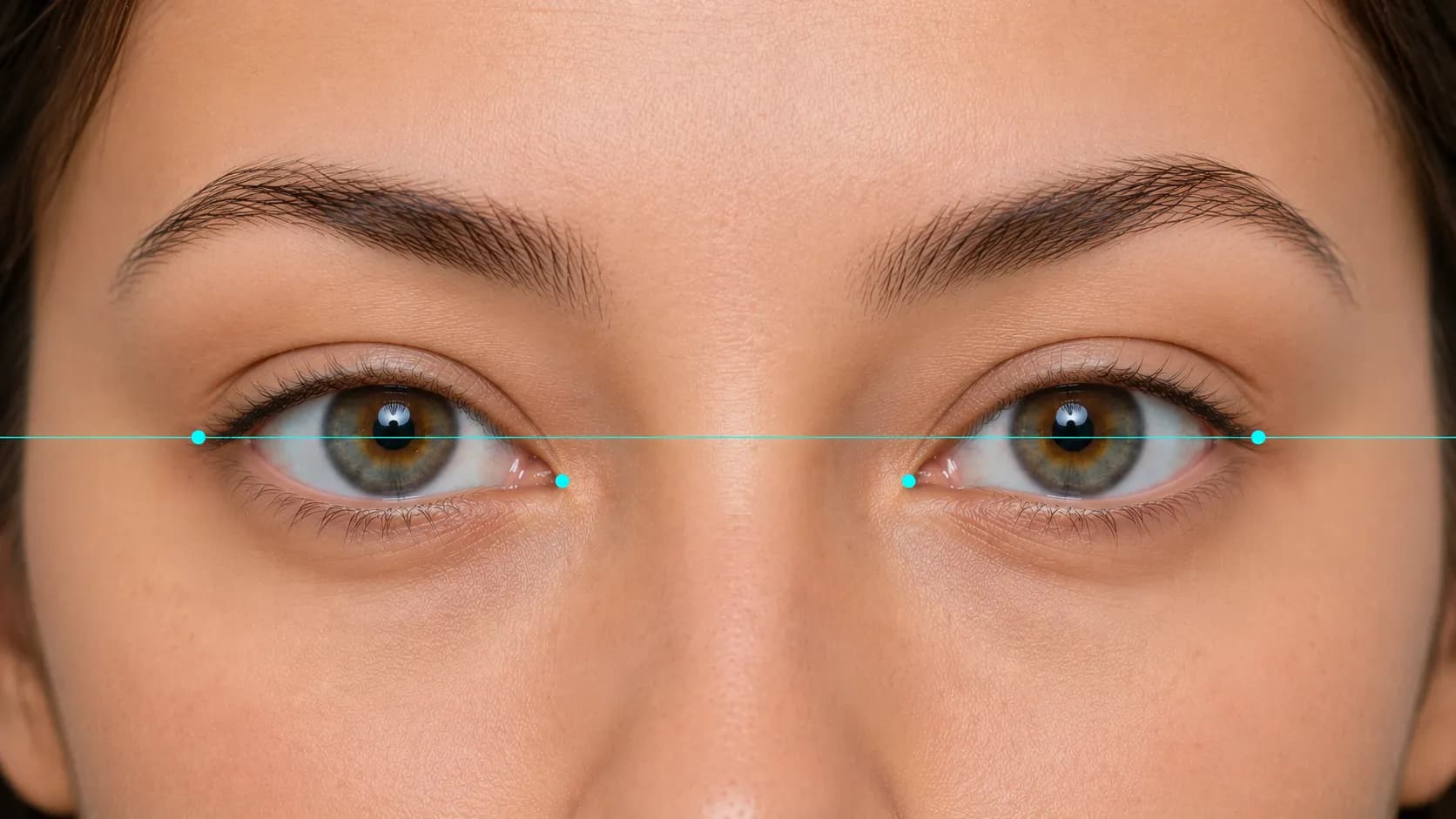
Q3. Where does your outer corner sit?
Visualize a horizontal line connecting both pupils, then compare your outer corner to your inner corner along that line. Clearly above the line → upturned. Clearly below → downturned. Roughly level → almond or round, based on your Q2 answer.
Q4. How much white shows around your iris?
Look straight ahead in the mirror. Visible white (sclera) above or below your iris → round. Iris touching both your upper and lower lid with no visible white → almond.
Q5. How wide is the gap between your eyes?
Compare the gap between your eyes to the width of one eye. Roughly equal → average-set. Wider than one eye → wide-set. Narrower → close-set. This is a spacing trait, layered on top of whichever shape you found above.
Explore Every Eye Shape
Includes both lid shapes and placement/depth descriptors — many people have more than one at once.
Related Tools
Face Shape Detector
Discover if you're oval, round, square, heart, or more
Face Symmetry Test
Measure your facial symmetry score from a photo
Golden Ratio Face Calculator
Measure your golden ratio face and face phi proportions
Eyebrow Shape Detector
Find your eyebrow shape & grooming tips
Canthal Tilt Calculator
Measure your exact canthal tilt angle — fox eye or hound eye
Body Shape Calculator
Discover your body type and get style recommendations
All 7 Face Shapes Guide
Hairstyles, glasses, and makeup for every face shape
Eye Shapes Guide
Learn about all 10 eye shapes and their key characteristics
Lip Shape Analyzer
Identify your lip shape and get personalised lipstick tips
Nose Shape Detector
Find your nose shape from 12 types, from Roman to snub
Face Analyzer
Run every face analysis in one place
Frequently Asked Questions
Everything you need to know about how to find your eye shape, what the shapes mean, and which makeup and glasses styles suit each one.
What eye shape do I have?
The fastest way is our free AI detector above — upload a photo for an instant result. Your shape will be one of five categories: almond, round, upturned, downturned, or monolid, sometimes with a modifier like hooded or deep-set.
What is my eye shape?
"Eye shape" describes three traits together: whether you have a visible lid crease, how much lid shows when your eyes are open, and which way your outer corner tilts. Those three traits combine into five named categories — almond, round, upturned, downturned, monolid — plus modifiers like hooded or deep-set.
What type of eyes do I have?
"Type" and "shape" mean the same thing here. Your type combines a base shape (almond, round, upturned, downturned, or monolid) with modifiers like hooded or deep-set, plus spacing — wide-set, close-set, or average-set. Most people are a combination, not one pure type.
What kind of eyes do I have?
"Kind" is just casual phrasing for the same question as "eye shape." Nicknames like "cat eyes" or "puppy-dog eyes" map onto the same five formal categories — almond, round, upturned, downturned, monolid — that our detector measures precisely from a photo.
What shape are my eyes?
Check a mirror for three things in order: a lid crease (none = monolid), height vs. width (equal = round, wider = almond/upturned/downturned), and where your outer corner sits relative to an imaginary line from your inner corner (above = upturned, below = downturned, on it = almond/round). Full five-step version below.
How do I tell what my eye shape is?
Two paths: upload a photo to the AI detector above for an instant, precise result, or work through the five-step mirror method further down this page. The detector measures corner tilt and aspect ratio directly from landmarks; the manual method uses the same logic with your own visual judgment — reliable for most people, less precise for borderline cases.
What are the different types of eye shapes?
Five main shapes: almond (balanced, pointed outer corner), round (tall, open appearance), upturned (outer corner lifts — natural cat-eye), downturned (outer corner dips — soft look), and monolid (no visible crease). Eyes can also be wide-set, close-set, or average-set based on spacing.
What is the difference between almond and round eyes?
Almond eyes are wider than tall with a pointed outer corner and an iris that touches both lids. Round eyes have nearly equal height and width with a fully visible iris (you may see sclera above or below). Round eyes have a rounder, more open appearance; almond eyes a more elongated, angular look.
Can I have two different eye shapes?
Yes — minor asymmetry between eyes is completely normal. Our AI measures each eye independently. You can use this to apply slightly different techniques per eye for balance, such as a touch more upswept liner on a more downturned eye.
What is a hooded eye and how is it different from monolid?
Hooded eyes have a crease but the brow bone overhangs and partially hides the lid when the eye is open. Monolid eyes have no crease at all. Both benefit from specific makeup: hooded eyes suit a high-placed cut-crease; monolids suit graphic liner across the full visible lid. For a complete deep-dive into makeup and identification, see our dedicated hooded eyes guide
What eyeliner works for my eye shape?
Almond: any style, including winged liner. Round: horizontal wing at the outer corner — avoid heavy lower liner. Upturned: horizontal liner to balance the natural lift. Downturned: upswept flick to lift. Monolid: bold graphic liner or cut-crease for visibility.
What glasses frames suit each eye shape?
Almond suits most frames. Round: rectangular or angular. Upturned: round/oval or bottom-heavy. Downturned: cat-eye or angular top-rim. Monolid: round/oval or thin semi-rimless. The detector gives you tailored picks.
What is the rarest eye shape?
Among the five shapes, pronounced upturned eyes are often cited as rare globally. Monolid is less common worldwide but very prevalent in East Asian populations. Almond is the most widespread shape globally.
How accurate is AI eye shape detection?
The AI uses 478 facial landmarks to compute precise geometric measurements — eye aspect ratio, corner tilt angle, and inter-eye distance. This is more consistent than visual self-assessment. Best accuracy comes from a clear front-facing photo with even lighting and eyes fully open.
Does eye shape change with age?
Yes. Skin loses elasticity with age, which can make the lid droop and cause previously open eyes to appear hooded. The outer corner may also lose upward lift. Techniques like tight-lining, upswept wings, and brow-bone highlighter counteract these effects.
Can makeup change the appearance of my eye shape?
Significantly. Liner placement, shadow blending, and mascara direction all visually alter perceived shape. An upswept wing lifts downturned eyes; smudged lower liner rounds almond eyes; graphic liner defines monolids. Our detector gives shape-specific tips to experiment with.
Can men use the eye shape detector?
Absolutely. Eye shape classification is based on geometric measurements that apply to everyone. The glasses frame guide is fully relevant, and knowing your eye shape also helps with brow grooming and haircut framing choices.
Is the detector free? Is my photo stored?
Yes, completely free — no sign-up, no account. Your photo is never uploaded or stored. All processing happens locally in your browser.
What is the most common eye shape?
Almond is generally the most common globally. Monolid is very prevalent in people of East Asian heritage. Round eyes are also common. Upturned and downturned describe directional tilt rather than fully distinct populations.
What is a monolid eye?
A monolid (single eyelid) has no visible crease on the upper lid. It's a natural genetic variation most common in East Asian heritage. Graphic liner, cut-crease eyeshadow, and bold color all work exceptionally well on monolid eyes.
How do I identify my eye shape without a photo?
Stand before a well-lit mirror with eyes open and gaze straight ahead. Check for a lid crease first (none = monolid). Compare height to width (tall ≈ round, wide = almond/tilted). Then draw an imaginary horizontal line across both pupils and compare where your outer corner falls: above = upturned, below = downturned, on the line = almond or round.
What is a canthal tilt test?
A canthal tilt test — also called an eye tilt test — measures the angle between your inner and outer eye corners. Positive tilt (outer corner higher) = upturned; negative tilt (outer corner lower) = downturned; near-zero = almond or round. Our AI performs this measurement automatically from your photo.
What eye shape is this?
Upload your photo to our AI detector above for an instant answer. As a rule of thumb: wider-than-tall with a pointed outer corner = almond; near-circular = round; lifted outer corner = upturned; dropped outer corner = downturned; no visible crease = monolid.
How do I know my eye shape without uploading a photo?
01 Look for a lid crease: Face a well-lit mirror with a relaxed, neutral gaze. If you can see no crease on your upper lid, you have monolid eyes. If there's a crease, continue to the next step. 02 Compare height to width: Estimate whether your eye is taller (more circular) or wider. If height ≈ width with a round curve, you lean round. If distinctly wider than tall, you lean almond, upturned, or downturned. 03 Draw an imaginary horizontal line: Visualize a horizontal line connecting both pupils. Look at where your outer corner falls relative to your inner corner on that same eye. 04 Check corner tilt: If your outer corner sits clearly above the imaginary horizontal line: upturned. If it dips clearly below: downturned. If it lands roughly on the line: almond or round based on step 2. 05 Check eye spacing: Finally, look at the gap between your eyes. If it's roughly equal to one eye width, your eyes are average-set. Wider than one eye width = wide-set; narrower = close-set.
How the AI Eye Shape Detector Works
Eye shape classification — sometimes called eye typing — is grounded in geometric anthropometry, the precise measurement of facial features. The three primary metrics used to classify eye shape are the eye aspect ratio (width divided by height), the outer-corner tilt angle (the angle formed between the inner and outer corners of the eye relative to a horizontal baseline), and the presence or absence of a supratarsal crease (the lid fold that distinguishes monolid from creased eye shapes).
Our detector uses Google's MediaPipe Face Mesh, which maps 478 three-dimensional facial landmarks in real time directly within your browser. For eye shape analysis, the system isolates the six key eye-region landmark clusters per eye — the inner and outer canthi (corners), the upper and lower lid midpoints, and the periorbital contour points — and applies the measurement formulas above to classify your shape.
This geometric method is significantly more consistent than visual self-assessment, which is affected by lighting, mirror angle, and subjective perception. Eye shape is not just a cosmetic curiosity: optometrists use corner-tilt measurements when fitting contact lenses, eyeglass manufacturers use eye set width when designing bridge widths, and makeup artists use aspect ratio to plan liner placement. Understanding your actual measurements rather than a rough visual impression gives you a meaningful advantage when choosing beauty products and accessories.
Why Eye Makeup Technique Depends on Shape
Makeup artists have long understood that the same liner technique produces different visual results on different eye shapes because the eye provides different canvases. A sharp upswept flick on an upturned eye amplifies the natural lift further; the same flick on a downturned eye works with gravity to visually neutralize the droop. Eyeshadow blending that opens round eyes can make almond eyes appear rounder than intended.
Monolid eyes present a unique challenge: because there is no crease to act as a blending boundary, gradient eyeshadow techniques developed for Western eye shapes frequently disappear when the eye is open. Makeup techniques developed specifically for monolid eyes — such as applying shadow higher than feels natural when the eye is open, or using graphic liner shapes that remain visible on a flat lid — are the result of decades of experimentation by makeup artists who work with a wide range of eye shapes.
All analysis on this page is performed locally in your browser. No photo is ever transmitted to any server. The tool is free, requires no sign-up, and is designed to give you accurate, actionable results regardless of your skin tone, ethnicity, or makeup preferences. Almond eyes are the shape the detector classifies most often — for an in-depth guide to almond-shaped eyes including makeup comparisons and celebrity examples, see our almond eyes guide.
Hooded Eyes: The Most Searched Eye Shape Modifier
Hooded eyes are among the most searched eye-related terms globally — and one of the most misunderstood. Hooded eyes occur when skin from the brow bone folds downward over the orbital rim and covers part of the upper eyelid when the eye is open. This reduces the visible lid space and causes mainstream makeup tutorials (written for open, almond-shaped lids) to produce unexpected or unflattering results when applied without modification.
The key anatomical distinction: hooded eyes have a crease — it is simply hidden when the eye is open. This separates them from monolid eyes, which have no crease at all. Hooding is a modifier that exists independently of primary eye shape: you can have almond-hooded, round-hooded, or upturned-hooded eyes. It is also not the same as droopy eyelids (ptosis), which is a medical condition where the eyelid muscle weakens and the lid itself droops over the iris.
For eyeliner on hooded eyes, the most reliable technique is tight-lining the upper waterline and keeping any wing horizontal rather than angled upward. For eyeshadow, placing dark crease shades above the natural crease line (so they remain visible when the eye opens) and using a cut-crease technique creates definition without disappearing under the fold. Our complete hooded eyes guide covers identification, all eyeliner and eyeshadow techniques, glasses frames, the difference between hooded eyes and droopy eyelids, and what blepharoplasty involves.
Disclaimer: Eye shape detection is based on geometric landmark measurements and is provided for informational and cosmetic guidance purposes only. Results are estimates and may vary based on photo quality, lighting, and individual facial anatomy. This tool is not a medical diagnostic device.